 لغة
لغة 

يقع الرسم على مكتبك مع كتلة من المواد مكتوب عليها "سبائك الألومنيوم" فقط. يمكن أن يعني هذا الخط الفردي أ356 للدعامة الهيكلية، أو A380 لمبيت مصبوب كبير الحجم، أو ب390 لأسطوانة الضاغط التي يجب أن تتحمل سنوات من الاتصال المنزلق. اختر درجة خاطئة وقد تبدو النماذج الأولية خالية من العيوب، ثم تظهر شقوق بعد التصنيع، أو تظهر تسربات اختبار الضغط في مجموعة مكونة من 2000 جزء، أو تظهر التشطيبات المؤكسدة غير مكتملة وداكنة.
هنا الجواب المباشر قبل التفصيل. بالنسبة للصب بالضغط العالي، فإن الإعدادات الافتراضية العملية هي A380 و أ383 ، مع ADC12 كتسمية آسيوية لسبائك مماثلة. بالنسبة للضغط المنخفض، والجاذبية، وصب الرمل، فإن الاختيارات القياسية هي أ356 و 356 . إذا كان التآكل المنزلق يهيمن على التصميم — بطانات الأسطوانات، وأسطوانات الضاغط، وأسطح المحامل — ب390 يستحق التقييم. إذا كانت مقاومة التآكل والتشطيب التجميلي تفوق القوة الخام، 518 هي سبيكة للاختبار. يشرح الجزء المتبقي من هذه المقالة تلك الاستنتاجات بالأرقام التي يمكنك إدخالها في محادثة مع الموردين.
كيف تعمل تسميات سبائك الألومنيوم المصبوبة
تتبع سبائك الألومنيوم المصبوبة في أمريكا الشمالية نظام جمعية الألومنيوم المكون من أربعة أرقام مع علامة عشرية. يحدد الرقم الأول عنصر صناعة السبائك الرئيسي، ويخبرك هذا الرقم وحده بمعظم ما تحتاج إلى معرفته حول سلوك السبيكة في القالب وفي الخدمة.
- 1xx.x — 99.0% أو أعلى من الألومنيوم، يستخدم بشكل رئيسي في الموصلات الكهربائية والمعدات الكيميائية.
- 2xx.x — النحاس كعنصر رئيسي. تنتج هذه العائلة أعلى قوة لجميع سبائك الألومنيوم المصبوبة بعد المعالجة الحرارية، ولكن مقاومة التآكل تعاني.
- 3xx.x — السيليكون مع إضافة النحاس و/أو المغنيسيوم. هذه هي عائلة العمود الفقري لكل من الصب بالقالب والصب بالجاذبية.
- 4xx.x — السيليكون كعنصر أساسي، مما يوفر سيولة ممتازة وإحكام الضغط للأجزاء الحساسة للتسرب.
- 5xx.x — المغنيسيوم، مما يوفر أفضل مقاومة للتآكل واللمسة النهائية المؤكسدة الأكثر اتساقًا.
- 7xx.x — الزنك، وهو قابل للتصلب مع تقدم العمر وله قوة صب عالية ولكنه أقل شيوعًا في أعمال الصب التجارية.
ما تعنيه الأرقام والحروف والكسور العشرية في الواقع
يشير الرقم الثاني إلى تعديل السبيكة الأساسية؛ يحدد الرقمان الأخيران السبيكة المحددة داخل العائلة. العلامة العشرية مهمة أيضًا: x.x هو شكل الصب، وx.xx هو شكل السبيكة. تعني بادئة الحرف، مثل A في A356، حدودًا أكثر صرامة للشوائب من السبيكة الأساسية غير المكتوبة. من الناحية العملية، تعتبر مواصفات مثل A356-T6 تعليمات كاملة: عائلة السبائك 3xx.x، تركيبة 356 المعدلة، شوائب أكثر إحكامًا، ومعالجة حرارية T6.
وأوضح تسميات المزاج لفترة وجيزة
يتم كتابة المزاج بعد السبيكة، مفصولة بواصلة. T6 يعني المعالجة الحرارية للمحلول تليها التعتيق الاصطناعي - وهو المزاج الذي يتم تحديده في أغلب الأحيان عندما يجب أن يحمل الصب الهيكلي الحمل. T5 يعني أن الجزء يتم تبريده من الصب ثم يتم تعتيقه بشكل مصطنع، مع تخطي خطوة الحل، والتي تستخدم عادة في قوالب الصب لتجنب التشويه والتقرح. F يعني أنها ملفقة، وهي الطريقة التي يتم بها توفير معظم المصبوبات. تؤثر هذه الفروق بشكل مباشر على قوة الخضوع: يصل A356-T6 تقريبًا قوة الخضوع 186 ميجا باسكال ، بينما يجلس A356 المصبوب حوله 125 ميجا باسكال .
سبائك الألومنيوم الأكثر شيوعاً للصب
وفقا لمعهد صب المعادن، فإن السبائك الأكثر شيوعا لصب الرمل، وصب الجاذبية، وصب الضغط المنخفض هي 356 و 357 تحتوي على حوالي 6% و7% سيليكون على التوالي. تؤكد نظرة عامة على علوم المواد نُشرت في ScienceDirect هذا النمط، مع الإشارة إلى أن A319 (Al-6Si-3Cu-1Fe-1Zn) وA356 (Al-7Si-0.25Cu-0.2Fe-0.4Mg) يمثلان معظم التطبيقات الصناعية في صب الجاذبية. بالنسبة للصب بالقالب عالي الضغط، توضح إرشادات اختيار السبائك أن سلسلة 3xx.x هي المهيمنة، تليها 4xx.x، و5xx.x، و2xx.x.
| سبيكة | سي % | % النحاس | ملغ ٪ | الحد الأقصى للحديد٪ | UTS (ميجا باسكال) | العائد (ميغاباسكال) | استطالة٪ | عملية نموذجية |
|---|---|---|---|---|---|---|---|---|
| أ356 | 6.5-7.5 | 0.20 | 0.30-0.45 | 0.20 | 262 (ت6) | 186 (ت6) | 5-10 | الضغط المنخفض / الجاذبية / الرمال |
| 356 | 6.5-7.5 | 0.20 | 0.30-0.45 | 0.60 | 228 (ت6) | 164 (ت6) | 3.5-6 | الضغط المنخفض / الجاذبية / الرمال |
| 319 | 5.5-6.5 | 3.0-4.0 | 0.10 | 1.0 | 235 (ت6) | 165 (ت6) | 2-4 | الجاذبية / الرمال |
| A380 | 7.5-9.5 | 3.0-4.0 | 0.10 | 1.3 | 324 (كما يلقي) | 160 (كما يلقي) | 3.5 | يموت الصب |
| أ383 / ADC12 | 9.5-11.5 | 2.0-3.0 | 0.10 | 1.3 | 310 (كما يلقي) | 150 (كما يلقي) | 3.5 | يموت الصب |
| ب390 | 16-18 | 4.0-5.0 | 0.45-0.65 | 1.3 | 285 (كما يلقي) | 240 (كما يلقي) | 1 | يموت الصب |
| 518 | 0.35 | 0.25 | 7.5-8.5 | 1.8 | 310 (كما يلقي) | 190 (كما يلقي) | 4-7 | يموت الصب |
تتبع قيم الخصائص أعلاه بيانات ASM International المنشورة لأشرطة الاختبار المنفصلة. تعامل معها كنقطة انطلاق للتقييم الهندسي، وليس كضمان لجزء معين من الهندسة.
كيف تقيد عملية الصب اختيار السبائك
تعتبر عملية الصب هي المرشح الأول في اختيار السبائك. تملأ كل عملية القالب بشكل مختلف، ويجب أن تتحمل السبيكة ظروف التعبئة.
صب القوالب بالضغط العالي: السرعة والجدران الرقيقة
ال عملية صب الألومنيوم يتم حقن المعدن المنصهر في قالب فولاذي مقوى تحت ضغط يتراوح بين 10 و175 ميجا باسكال. يتم قياس أوقات التعبئة بالمللي ثانية، لذلك يجب أن تكون السبيكة شديدة السيولة عند درجة حرارة الصب. A380 وA383 هما الاختياران السائدان لأن محتواهما من السيليكون يوفر السيولة اللازمة للجدران الرقيقة والأضلاع المعقدة. يمكن أن يكون A356 مصبوبًا بالقالب، لكن محتواه المنخفض من السيليكون يجعل من الصعب ملء الأجزاء الرقيقة بشكل نظيف ويزيد من خطر اللحام بالقالب.
صب الضغط المنخفض: تعبئة نظيفة ومسام أقل
يملأ الصب بالضغط المنخفض القالب من الفرن الموجود بالأسفل، ويدفع المصهور للأعلى من خلال أنبوب صاعد تحت ضغط غاز متحكم فيه. التدفق ثابت وصفحي مقارنة بالحقن عالي الضغط. تميل مستويات المسامية إلى أن تكون أقل، وتكون الخواص الميكانيكية أكثر قابلية للتكرار - ولهذا السبب يتم تصنيع العجلات وأذرع التعليق والأقواس الهيكلية بهذه الطريقة. A356 في T6 هو المزيج القياسي لهذه المكونات. عندما تكون المسامية هي السبب الرئيسي للرفض، فمن المفيد التحقق من ذلك مع المورد يمكن أن يؤدي الصب بالضغط المنخفض إلى تقليل فتحات الغاز بما يكفي لتلبية معيار اختبار التسرب الخاص بك.
الجاذبية وصب الرمل: تعدد الاستخدامات مع أقسام أكثر سمكًا
يستخدم الصب بالقالب الدائم الجاذبية هندسة بسيطة للملء السفلي أو الصب المائل، بينما يوفر الصب الرملي أوسع حرية للشكل. كلتا العمليتين أكثر تسامحًا مع انخفاض السيولة، لذلك تعتبر A356 و356 و319 و357 الأكثر استخدامًا. نظرًا لأن التبريد أبطأ من الصب بالقالب، فإن البنية المجهرية تكون أكثر خشونة، ويمكنك التعويض عن طريق تحديد معالجة حرارية بدلاً من محاولة الحفاظ على خصائص الصب محكمة.
ما هي خصائص السبائك المهمة في المكونات الحقيقية؟
بالإضافة إلى قوة الشد، يجب أن تنجو سبيكة الصب من عملية الصب نفسها وتؤدي عملها في البيئة النهائية. تحدد هذه الخصائص الستة معظم الاختيارات في العالم الحقيقي.
مقاومة التكسير الساخن
تتشكل الشقوق أثناء عملية التصلب عندما يكون للسبائك نطاق تجميد واسع وتغذية غير كافية من المعدن السائل بين التشعبات. تعتبر سبائك 2xx.x الغنية بالنحاس هي الأسوأ هنا. يتصلب A356 على نطاق ضيق، مما يمنحه مقاومة قوية للتكسير الساخن ويفسر سبب هيمنته على مصبوبات الجاذبية الهيكلية.
يموت ميل لحام
يمكن أن يتفاعل الألومنيوم المنصهر مع أسطح القالب الفولاذية، ويلحم نفسه بالأدوات. يخفف الحديد الموجود في السبيكة من ذلك عن طريق تكوين مراحل بين المعادن غنية بالحديد تقلل من التبلل. وبالتالي فإن السبائك المصبوبة تحدد الحديد بنسبة تصل إلى 1.3%، في حين أن السبائك المصبوبة بالجاذبية مثل A356 تحافظ على نسبة الحديد منخفضة إلى 0.20% لأنه لا يوجد قالب يمكن اللحام به. إذا أخذت سبيكة مصبوبة بالجاذبية وحاولت صبها في قالب، فتوقع حدوث مشكلات في اللحام.
ضيق الضغط
تواجه أجسام الصمامات الهيدروليكية، وأغطية المضخات، وحالات ناقل الحركة جميعها متطلبات اختبار التسرب. يتمتع A413 الذي يحتوي على 12% تقريبًا من السيليكون بمقاومة ضغط ممتازة. أداء A356 وA380 جيد أيضًا. يعتبر B390، الذي يحتوي على 16-18% من السيليكون، أقل موثوقية بالنسبة للمسبوكات محكمة الضغط لأن جزيئات السيليكون الأولية تعطل استمرارية المصفوفة ويمكن أن تنشئ شبكات مسامية دقيقة.
مقاومة التآكل
518 هو المرشح الأقوى في معظم البيئات الخارجية أو المياه المالحة بين السبائك المسبوكة، وذلك بفضل محتواه من المغنيسيوم بنسبة 7.5-8.5%. تتآكل السبائك الحاملة للنحاس مثل A380 و319 بشكل أسرع في الهواء المحمل بالملح. يقع A356 في المنتصف وهو مقبول لمعظم تطبيقات الآلات والسيارات تحت غطاء المحرك إذا تم تطبيق حماية السطح المناسبة.
القدرة على التصنيع
تعمل الماكينة A380 و319 بشكل جيد، مما ينتج عنه رقائق قصيرة مكسورة ويعطي عمرًا جيدًا للأداة بسرعات قطع عالية. ينتج المحتوى العالي من المغنيسيوم 518 رقائق خيطية يمكن أن تتشابك حول الأدوات، لذا من الضروري إدخال إدخالات أكثر وضوحًا وهندسة كسر الرقائق. إذا كان الجزء الخاص بك سيحتاج إلى عمليات حفر وتنصت مكثفة، فضع ذلك في الاعتبار عند اتخاذ قرار بشأن السبائك.
الrmal conductivity
الrmal management parts such as heat sinks and motor housings depend on how quickly heat spreads through the metal. A356 in T6 reaches roughly 151 واط/(م·ك) ، في حين يبلغ قياس طائرة A380 حوالي 96 واط/(م·ك) . إذا قام جزء ما بإزالة الحرارة من محرك كهربائي أو إلكترونيات الطاقة، فإن هذا الفرق البالغ حوالي 55 واط/(م·ك) يغير درجة حرارة الوصلة بشكل ملحوظ.
اختيار السبائك بناءً على التطبيق
عادة ما يكون اختيار السبائك عبارة عن تقاطع بين المتطلبات الهيكلية واقتصاديات عملية الصب. يوضح الجدول أدناه المكونات المشتركة للدرجات التي تديرها محلات الصب فعليًا.
| التطبيق | الدرجات الموصى بها | ما الذي يدفع القرار |
|---|---|---|
| أجزاء اسطوانة المحرك | ايه 380، ايه 383، بي 390 | الحجم، وضيق الضغط، ومقاومة التآكل |
| علبة التروس وعلب ناقل الحركة | ايه 380، ايه 383 | الصلابة، ضيق التسرب، دقة الأبعاد |
| مضخات الزيت ومضخات المياه | أ356, A380 | ضيق الضغط, machinability, thermal fatigue |
| الصمامات والكتل الهيدروليكية | أ356, A380 | ضيق التسرب، والقوة، وأسطح الختم الآلية |
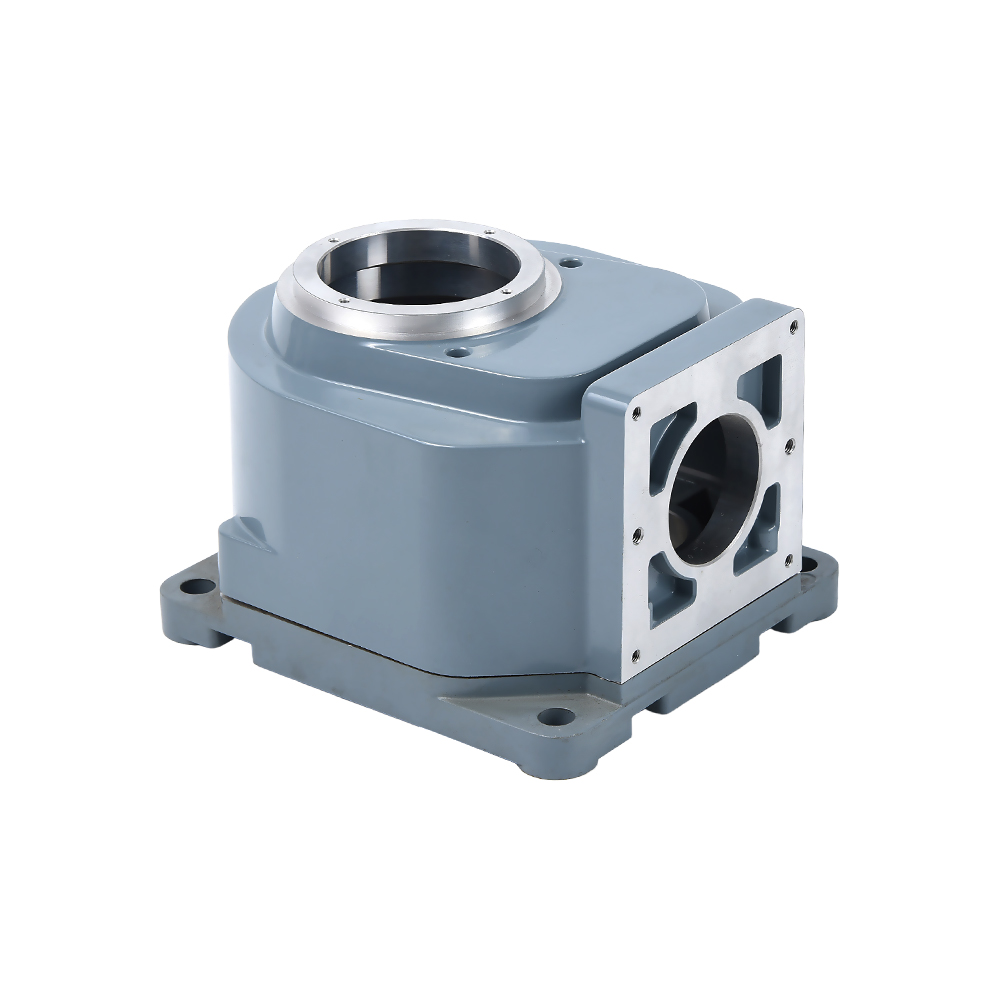
| علب المحركات والأغطية النهائية | A380، ADC12 | حشوة رقيقة الجدران، دقة الأبعاد، القوة |
| علب التروس الزراعية | أ356, 319 | المتانة ومقاومة التعب في الجاذبية/صب الرمل |
| المشتتات الحرارية لمركبات الطاقة الجديدة | أ383, A356 | الrmal conductivity, flatness, thin-wall detail |
| المنازل الذكية والمرفقات الطبية | أ383, ADC12 | هندسة معقدة، سطح تجميلي، جدران رقيقة |
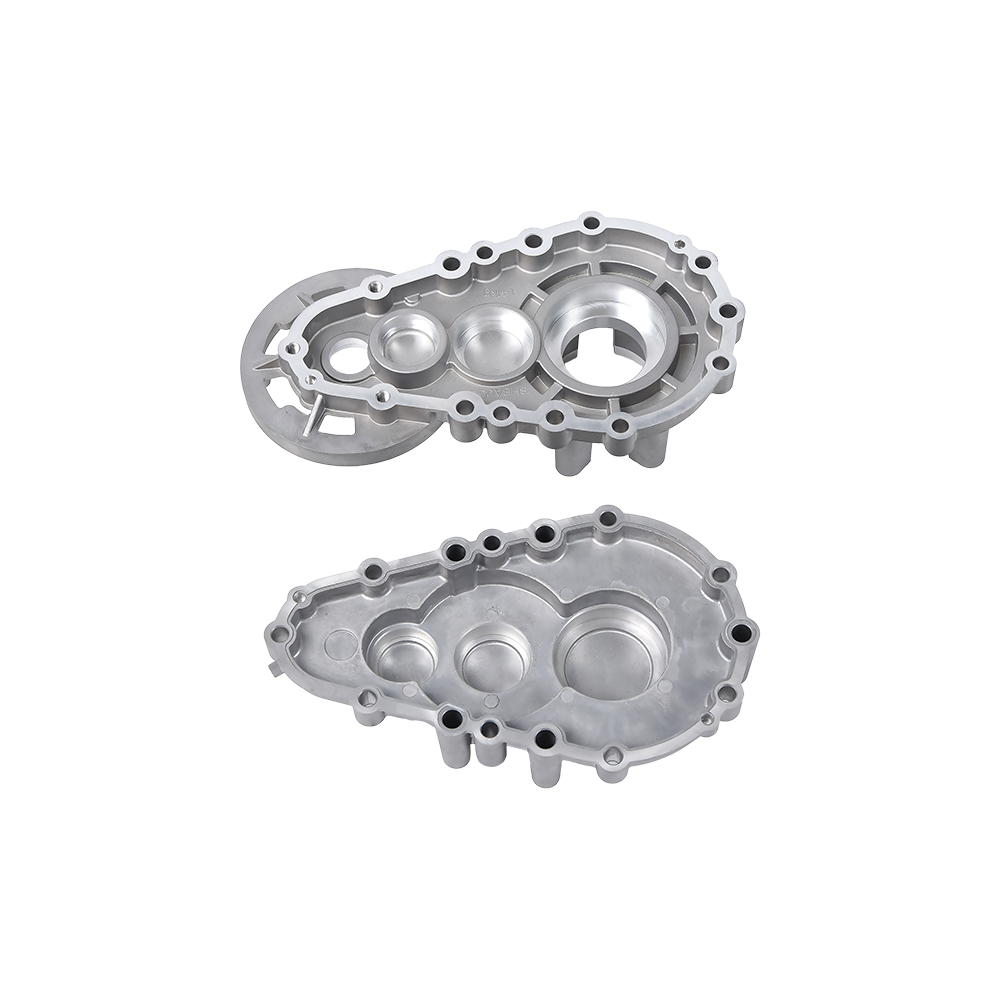
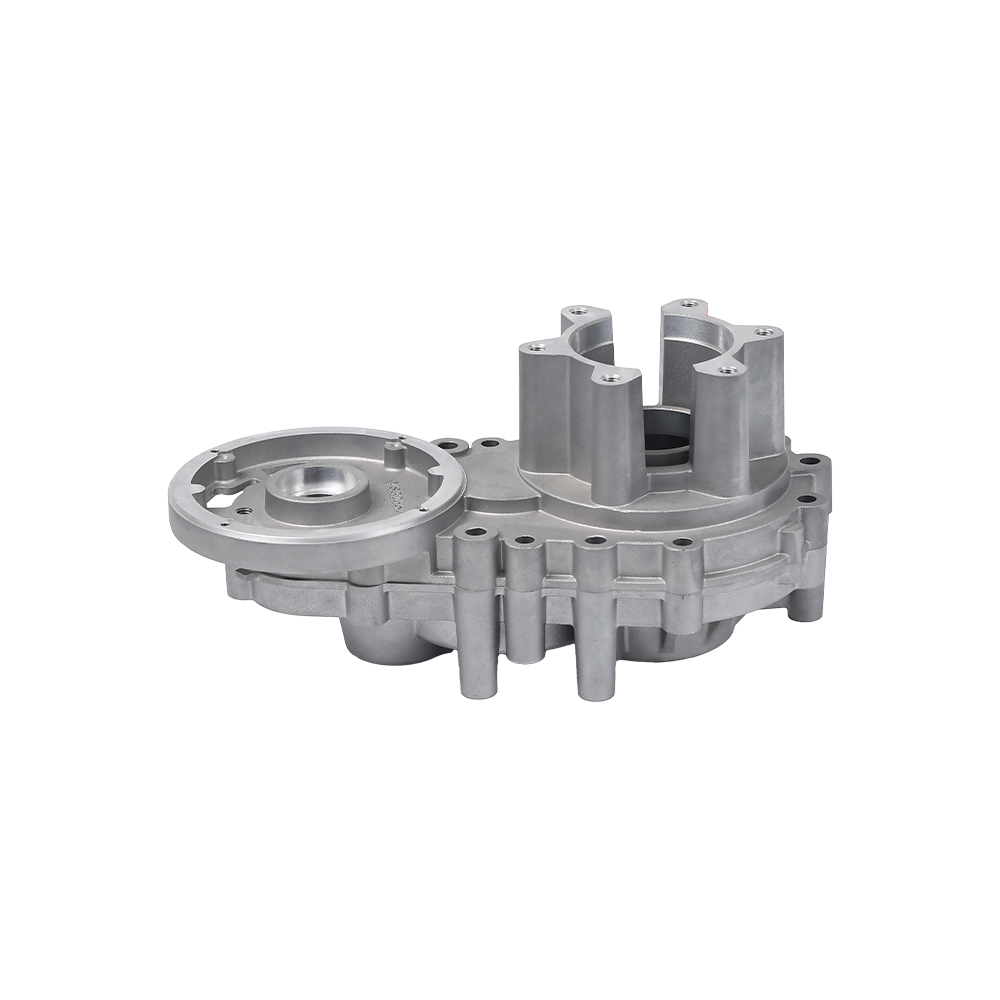
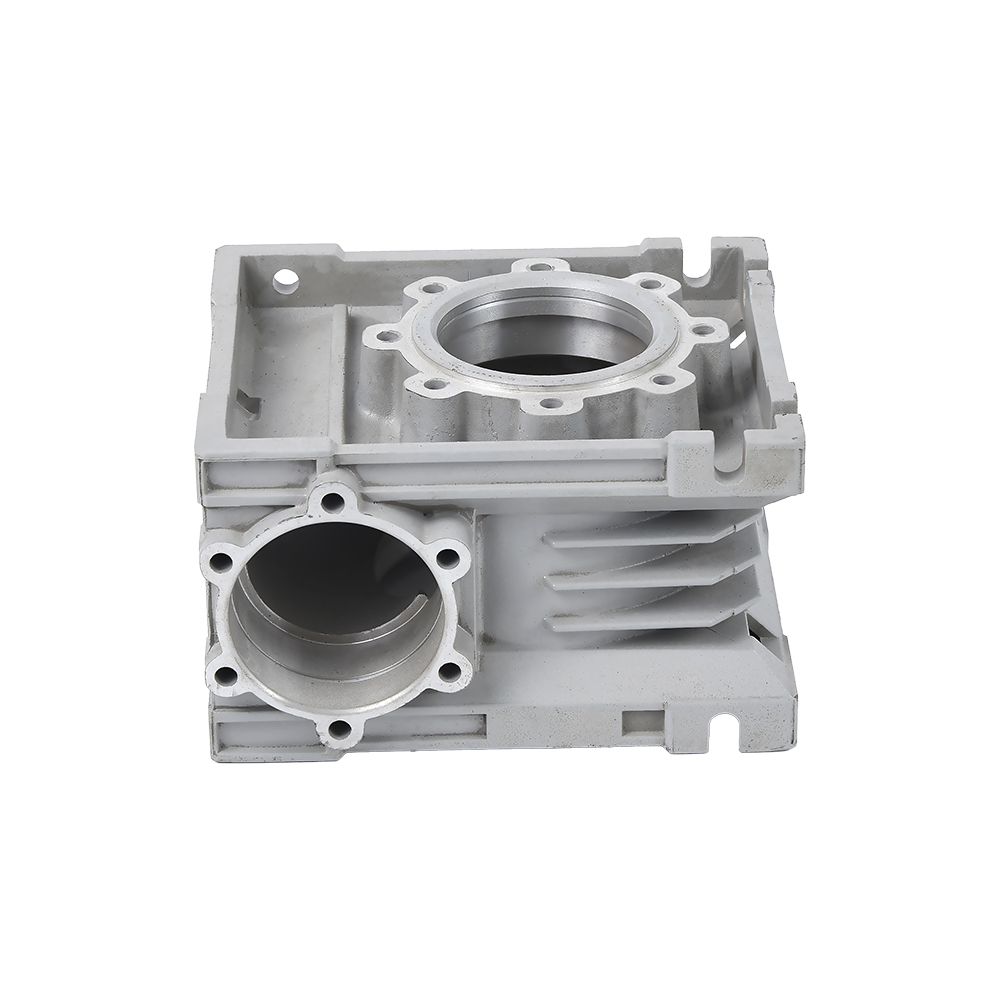
بالنسبة لتطبيقات توليد القوة والتطبيقات الهيكلية، يقوم الموردون عادة بإنتاج علب التروس المصنوعة من الألومنيوم المصبوب في A380 أو A383 لأن هذه السبائك توفر الصلابة وضيق الضغط المطلوب في خدمة النقل. عندما يتعين على مبيت علبة التروس أيضًا أن يتحمل التعب الاهتزازي، فإن A356 مع مزاج T6 يستحق النظر فيه حتى لو كان وقت الدورة أطول.
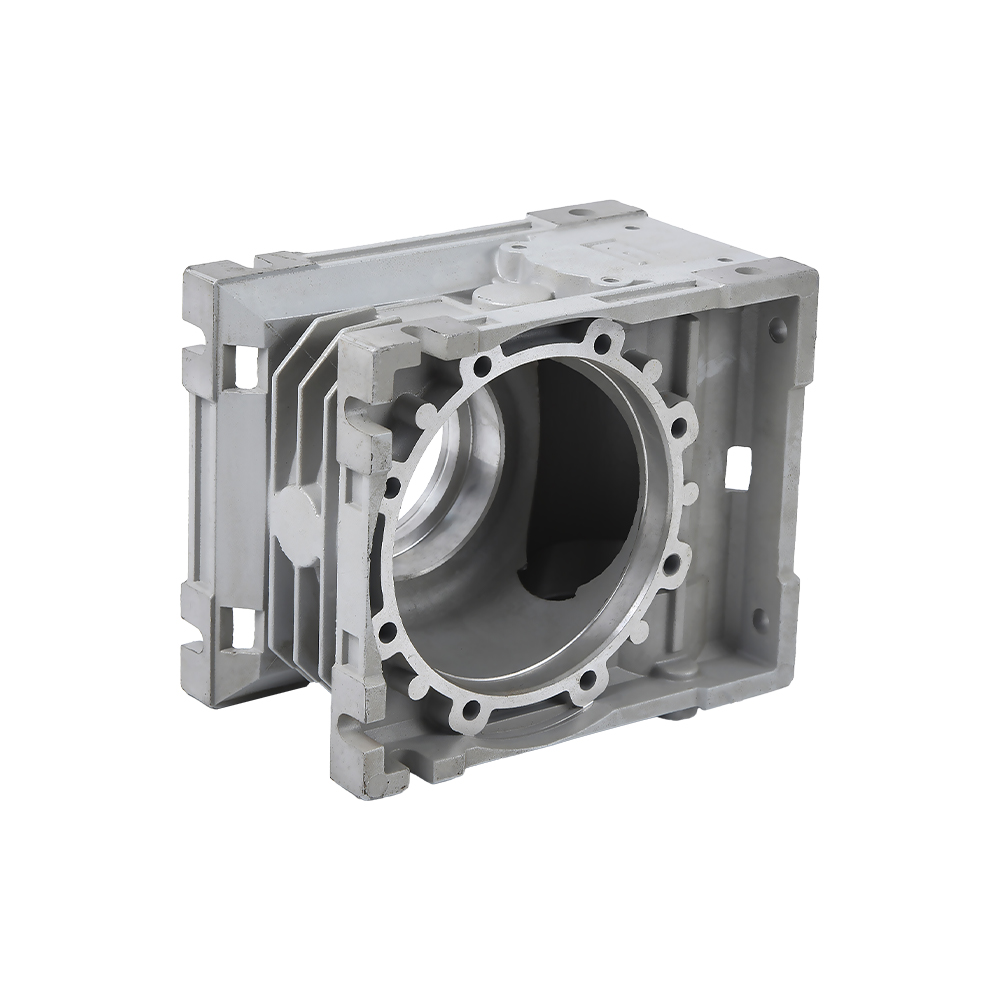 غلاف علبة التروس من الألومنيوم المصبوب - Ningbo Beilun Youyuan Machinery Manufactur ال aluminum die-casting gearbox housing represents a pinnacle in engineering excellence, seamlessly merging durability, precision, and l... عرض المنتج →
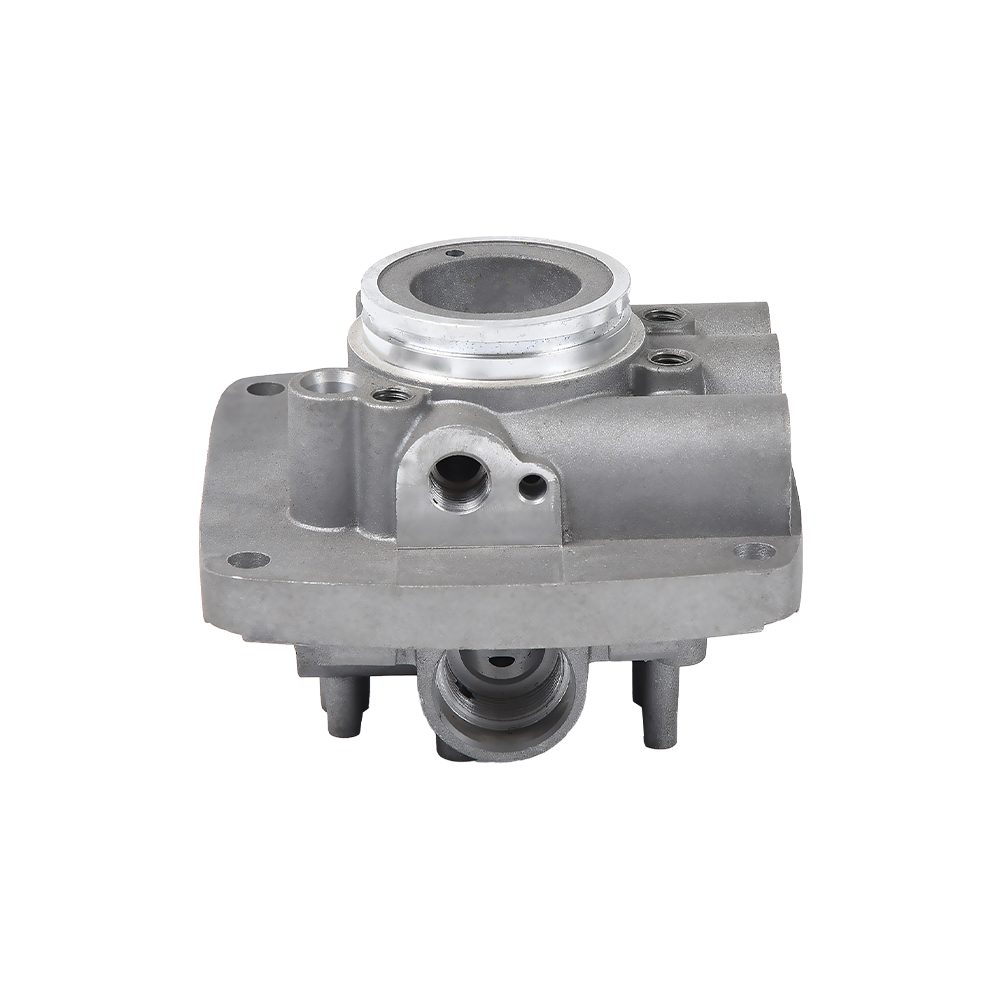
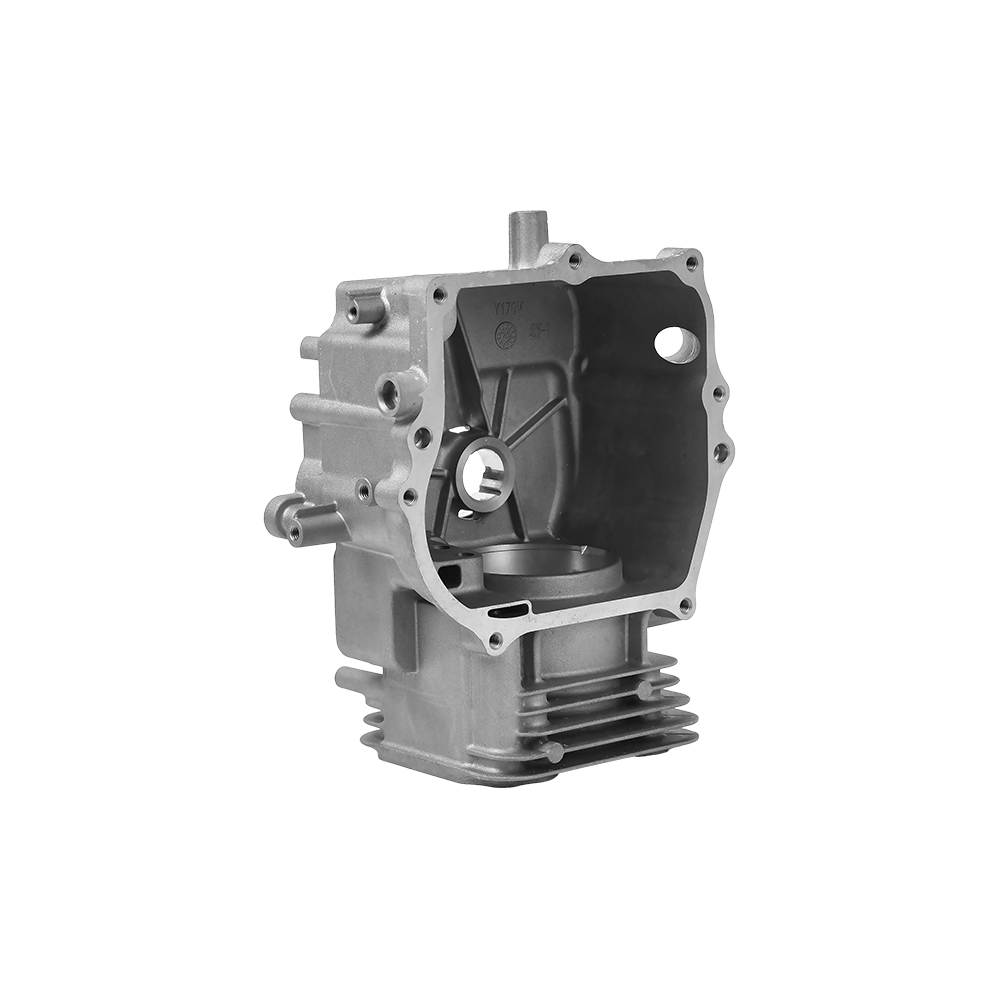
 في فئة محركات السيارات، أجزاء اسطوانة محرك السيارات الألومنيوم يتم تحديدها عادةً في A356-T6 عندما تكون السلامة الهيكلية وأداء التبريد أمرًا مهمًا، أو في A380 عندما يتطلب حجم الإنتاج أقل تكلفة ممكنة للقطعة الواحدة. يتم اختيار B390 عندما تحتاج منطقة تجويف الأسطوانة إلى مقاومة عالية للتآكل المنزلق بدون بطانة منفصلة.
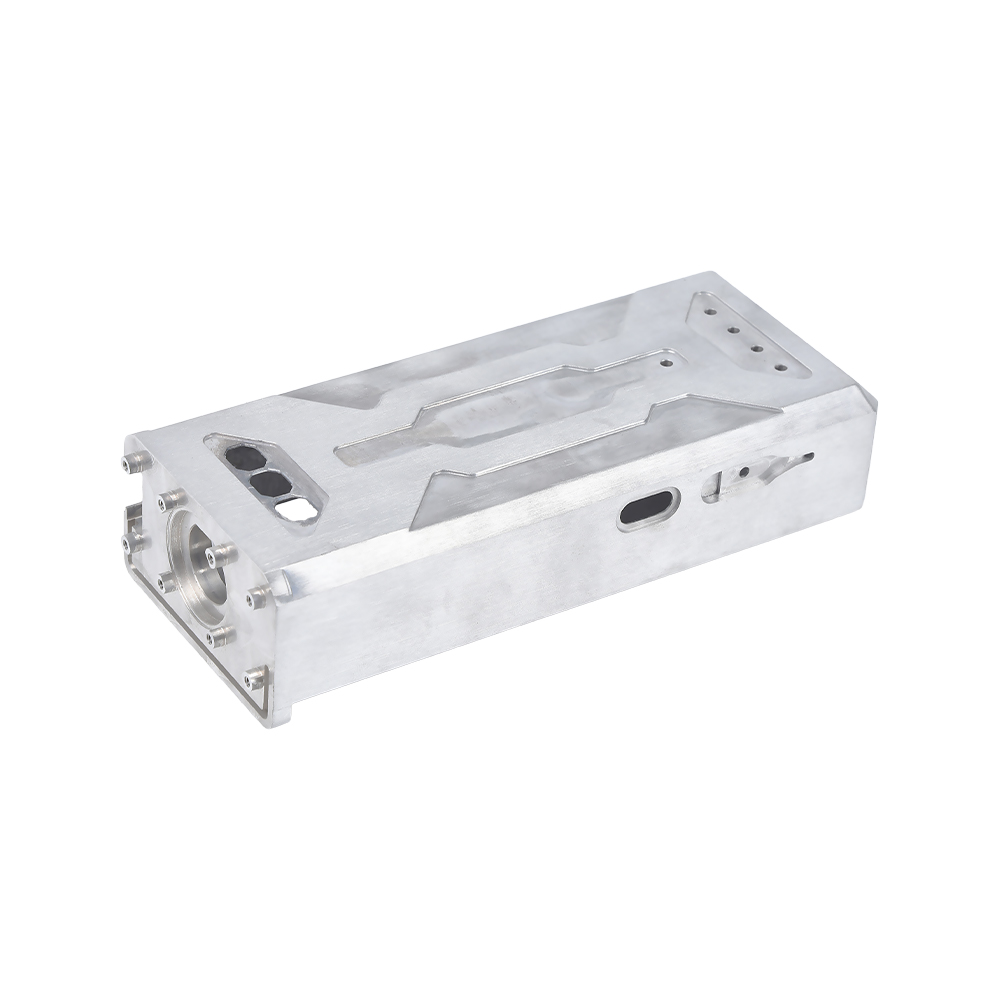 مصنعي قطع غيار أسطوانات محرك السيارات المصنوعة من الألومنيوم حسب الطلب. موردو تصنيع المعدات الأصلية - نينغبو Beilun Youyuan Machinery Manufacturing Co., Ltd هي إحدى الشركات المصنعة لأجزاء أسطوانات محرك السيارات المصنوعة من الألومنيوم OEM/ODM في الصين وشركة... عرض المنتج →
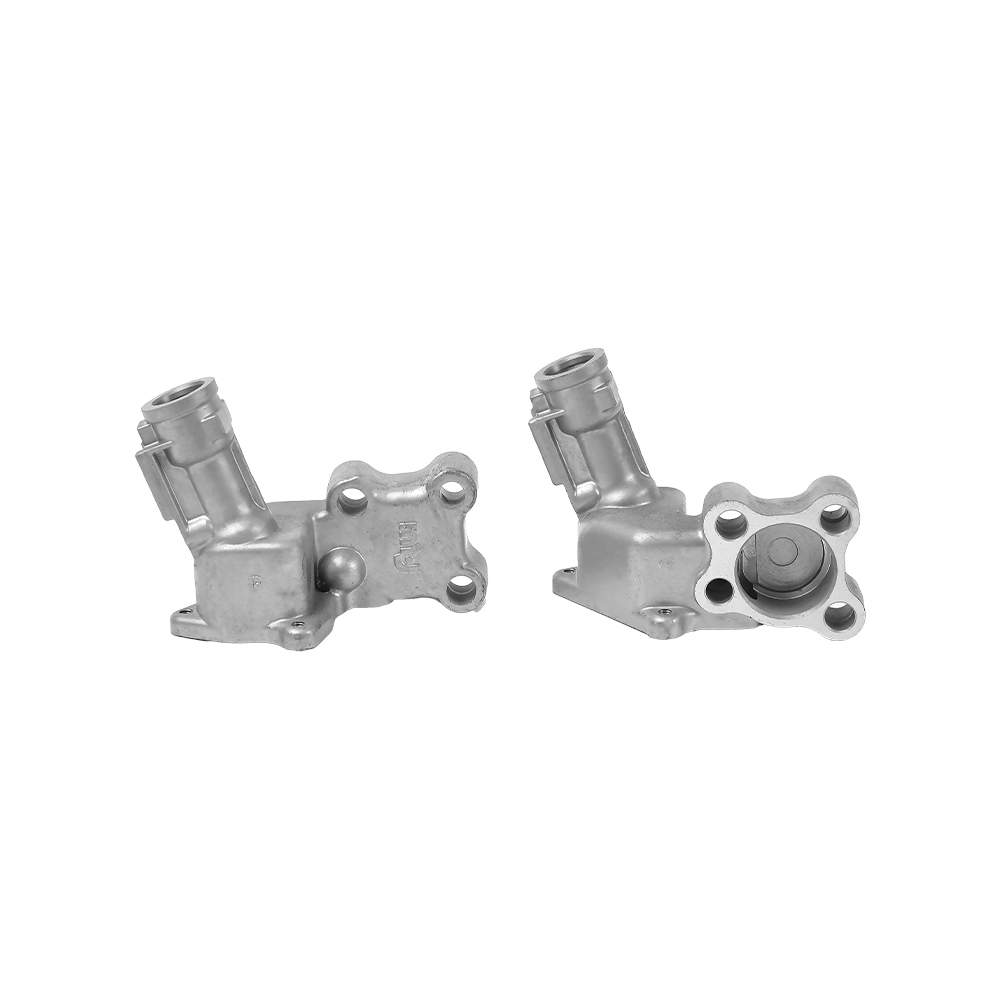
 بالنسبة لمكونات الطاقة السائلة، صمام هيدروليكي مصبوب من الألومنيوم عادةً ما يتم صب الأجسام في طائرة A380 لأنها تُصنع آليًا بشكل نظيف في وجوه مسطحة مانعة للتسرب وتتحمل الضغط دون وجود مسامية كبيرة. بالنسبة للسلسلة المعتدلة ذات الطلب العالي على الكلال، يظل A356 في T6 هو المعيار.
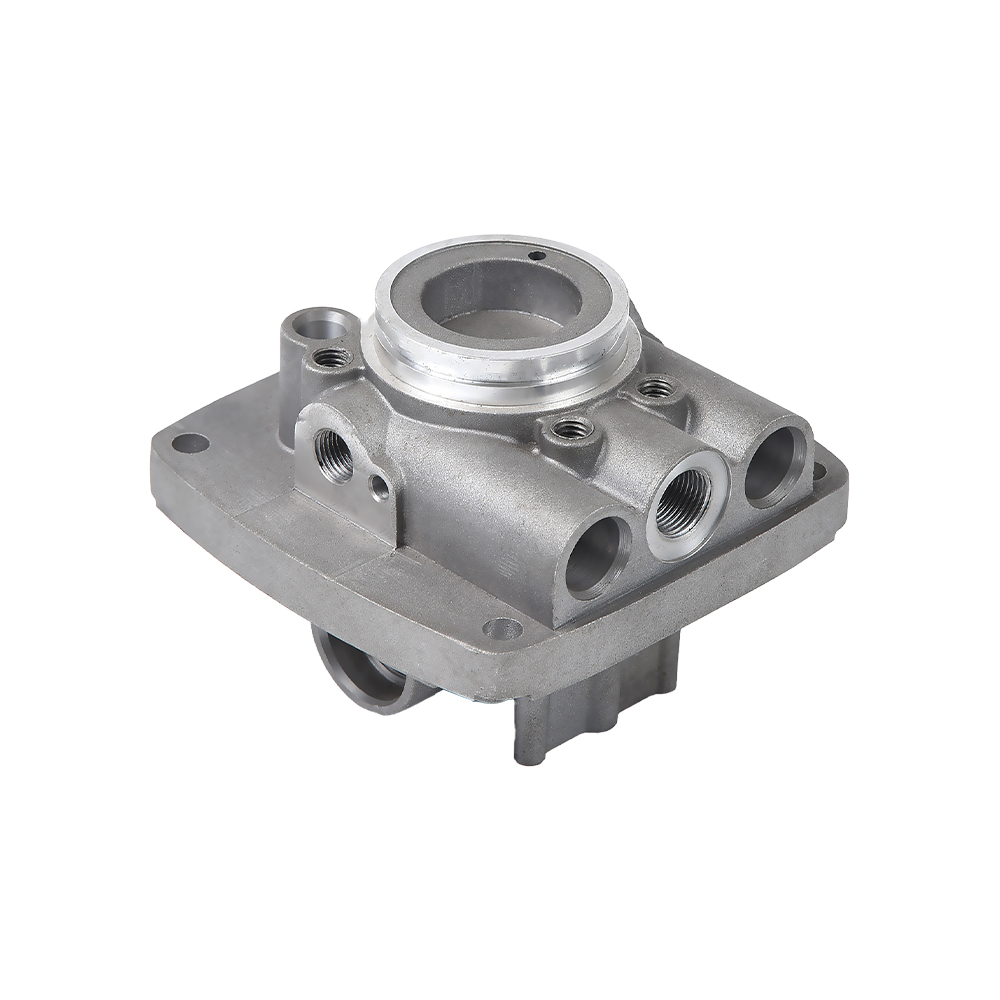 مصنعي الصمامات الهيدروليكية المخصصة لصب الألومنيوم. موردو تصنيع المعدات الأصلية - نينجب Beilun Youyuan Machinery Manufacturing Co., Ltd هي إحدى الشركات المصنعة للصمامات الهيدروليكية لصب الألومنيوم في الصين OEM/ODM وCa... عرض المنتج →
 اعتبارات التصميم التي تؤثر على اختيار السبائك
ال alloy is only half the decision. Part geometry, tolerance expectations, and downstream surface treatment all influence which grade is realistic to produce at the quoted price.
سمك الجدار
- يموت الصب — الحد الأدنى للجدران 0.8-1.5 مم للمكونات الصغيرة؛ 2-3 ملم هي الأرضية العملية للمساكن المتوسطة ذات الأضلاع والرؤوس.
- صب الضغط المنخفض — الحد الأدنى للجدران 2.5-4 مم حسب نطاق تجميد السبيكة.
- الجاذبية وصب الرمل — الحد الأدنى من الجدران 3-5 مم لتجنب سوء التشغيل وعيوب الانكماش.
التحمل الأبعاد
- يموت الصب يحمل حوالي ±0.1 مم على الأبعاد الصغيرة و±0.3–0.5 مم عبر 100 مم. هذا هو السبب في أن معظم العلب والأقواس الدقيقة مصبوبة بالقالب.
- صب الضغط المنخفض والجاذبية يتم تشغيله عادةً ± 0.5 مم على 100 مم. يتم تصنيع الأجزاء الهيكلية A356-T6 بعد المعالجة الحرارية إذا كانت هناك حاجة إلى دقة أكبر.
- صب الرمل يعطي ±0.8 مم أو أكثر، وتكون المعالجة الآلية ضرورية دائمًا تقريبًا على الوجوه الوظيفية.
زاوية المسودة
يحتاج الصب بالقالب إلى ما لا يقل عن 1-2 درجة من السحب على الجدران الخارجية و1.5-2.5 درجة على النوى الداخلية لاستخراج الجزء بشكل نظيف. تحتاج أدوات الضغط المنخفض والجاذبية أيضًا إلى سحب، ولكن أقل قليلاً لأن قوى التعبئة والإخراج أقل. إذا كان تصميمك لا يسمح بأي مسودة بسبب متطلبات التجميع، فتوقع إجراء محادثة حول بدلات التصنيع أو إجراءات الشرائح التي تضيف التكلفة.
المعالجة الحرارية والتشويه
تعمل المعالجة الحرارية T6 على زيادة قوة الإنتاج بشكل كبير، ولكنها تؤدي أيضًا إلى التشوه من خطوة الإخماد. في المسبوكات ذات الجدران الرقيقة، غالبًا ما تكون عملية التقويم مطلوبة بعد T6. عادةً ما يتم استخدام سبائك الألومنيوم المصبوبة في درجة F لأن محتوى الغاز المحبوس عن طريق الحقن عالي الضغط يمكن أن يسبب تقرحات السطح أثناء المعالجة الحرارية للمحلول. تأكد مما إذا كان الجزء الخاص بك يحتاج حقًا إلى T6؛ يمكن أن تؤدي الترقية من F إلى T6 إلى إضافة تكلفة العملية ومعدل الخردة.
توافق المعالجة السطحية
يعمل الطلاء بالمسحوق والطلاء على كل سبيكة في هذه المقالة. أنودة هو الاستثناء. تنتج مستويات السيليكون التي تزيد عن 7% تقريبًا طبقة أنودية داكنة وغير مكتملة، وغالبًا ما تحتوي الجلود المصبوبة على طبقة مسامية دقيقة تبدو سيئة بعد الأكسدة. إذا كنت بحاجة إلى تشطيب زخرفي مؤكسد، فحدد إما سبيكة منخفضة السيليكون مثل 518، أو خطط لإخراج السطح المصبوب آليًا قبل أنودة. توضح المراجع النموذجية الخاصة بإنهاء الإنتاج النظيف كيفية القيام بذلك تطبيقات صب الألومنيوم تعتمد بشكل متزايد على خطوات إعداد السطح لتلبية معايير مستحضرات التجميل.
أسئلة متكررة حول سبائك الألومنيوم للصب
ما هي درجة الألومنيوم الأفضل للصب؟
الre is no single best grade. Use A356 or 356 for low-pressure, gravity, and sand casting when strength and ductility matter. Use A380 or A383 for high-pressure die casting when production volume, thin walls, and cost efficiency dominate the decision. The best grade is the one that matches your process first, then your load case and surface requirements.
هل ADC12 هو نفس A383؟
الy are close but not identical. ADC12 is the Japanese JIS designation for a die-casting alloy with roughly 9.5–11.5% silicon and 1.5–3.5% copper. A383 is the Aluminum Association designation for a similar alloy with tight iron and manganese limits. In practice, many Asian die casters use ADC12 nomenclature even when exporting parts drawn to A383, so confirm the exact chemistry on the material certificate rather than assuming they are interchangeable.
هل يمكن أن تكون أجزاء الألومنيوم المصبوبة بأكسيد؟
نعم، ولكن النتيجة تعتمد على محتوى السيليكون. يتم طلاء طائرات A380 وA383 بطبقة نهائية داكنة غير مكتملة لا تتوافق مع المواصفات المعمارية. تنتج سبائك الصب بالقالب منخفضة السيليكون مثل 518 طلاء أنوديك أفضل بكثير. للحصول على مظهر متناسق، قم بآلة أو طحن السطح قبل أنودة، واختبار عينات ما قبل الإنتاج من القالب الفعلي قبل الالتزام بالمواصفات النهائية.
ماذا يعني T6 في A356-T6؟
T6 هو التعيين المزاجي للمعالجة الحرارية للمحلول والتبريد والتعمير الاصطناعي. بالنسبة لـ A356، يؤدي ذلك إلى رفع قوة الخضوع من حوالي 125 ميجا باسكال في حالة الصب إلى حوالي 186 ميجا باسكال، مع الاحتفاظ بالاستطالة بنسبة 5-10%. إنها الحالة المزاجية الافتراضية للمسبوكات الهيكلية التي ستواجه حملًا ميكانيكيًا كبيرًا.
أي سبائك الألومنيوم لديها أفضل إحكام للضغط؟
يُشار إلى A413، الذي يحتوي على حوالي 12% من السيليكون، على نطاق واسع على أنه أكثر السبائك المصبوبة مقاومة للضغط. يعمل A356 أيضًا بشكل جيد بالنسبة للمسبوكات ذات الجاذبية والضغط المنخفض التي تحتاج إلى الاحتفاظ بالزيت أو السائل الهيدروليكي. تجنب استخدام سبائك النحاس 2xx.x في التطبيقات محكمة الضغط، وقم بتصميم الجزء بسمك جدار موحد لمنع مسامية الانكماش بغض النظر عن السبائك.
لماذا يتم استخدام B390 لتطبيقات الضاغط وأسطوانة المحرك؟
يحتوي B390 على 16-18% سيليكون و4-5% نحاس. يشكل المحتوى العالي من السيليكون جزيئات سيليكون أولية صلبة توفر مقاومة استثنائية للتآكل الانزلاقي، وهو أمر ضروري في تجاويف الأسطوانات وأسطوانات الضاغط. تتمثل المفاضلات في ليونة أقل، وتصنيع آلي أكثر صعوبة، وإحكام ضغط أقل، لذلك يتم تحديده فقط عندما يكون التآكل هو وضع الفشل السائد.
توصية ختامية عملية
ضع قرار السبيكة على الطاولة قبل قطع القالب. اسأل مورد الصب الخاص بك عن السبائك التي يستخدمها بانتظام على معداته - فإن المسبك الذي ينتج أجزاء A380 كل يوم سوف يقتبسها بأوقات دورات ضيقة ومعدلات خردة يمكن التنبؤ بها، في حين أن قطعة A356 المصبوبة لأول مرة تحمل مخاطر التطوير التي يدفع المشتري ثمنها في النهاية. من ناحية أخرى، إذا تم اعتماد الجزء الخاص بك بسبب التعب أو ضيق التسرب، فإن التحول من السبائك المفضلة لدى المورد الخاص بك إلى ملاءمة أقرب للتطبيق يمكن أن يقلل من حالات الفشل الميدانية بما يكفي لتبرير سعر القطعة الأعلى. التحقق من التركيب الكيميائي من خلال تقرير اختبار المواد المعتمد، وتصنيع مجموعة اختبار في ظل ظروف الإنتاج، والتحقق من أن الخواص الميكانيكية من هندسة الجزء الفعلي تلبي متطلبات الرسم. سيكون هذا التسلسل دائمًا أرخص من اكتشاف عدم تطابق السبائك أثناء تدقيق العميل.